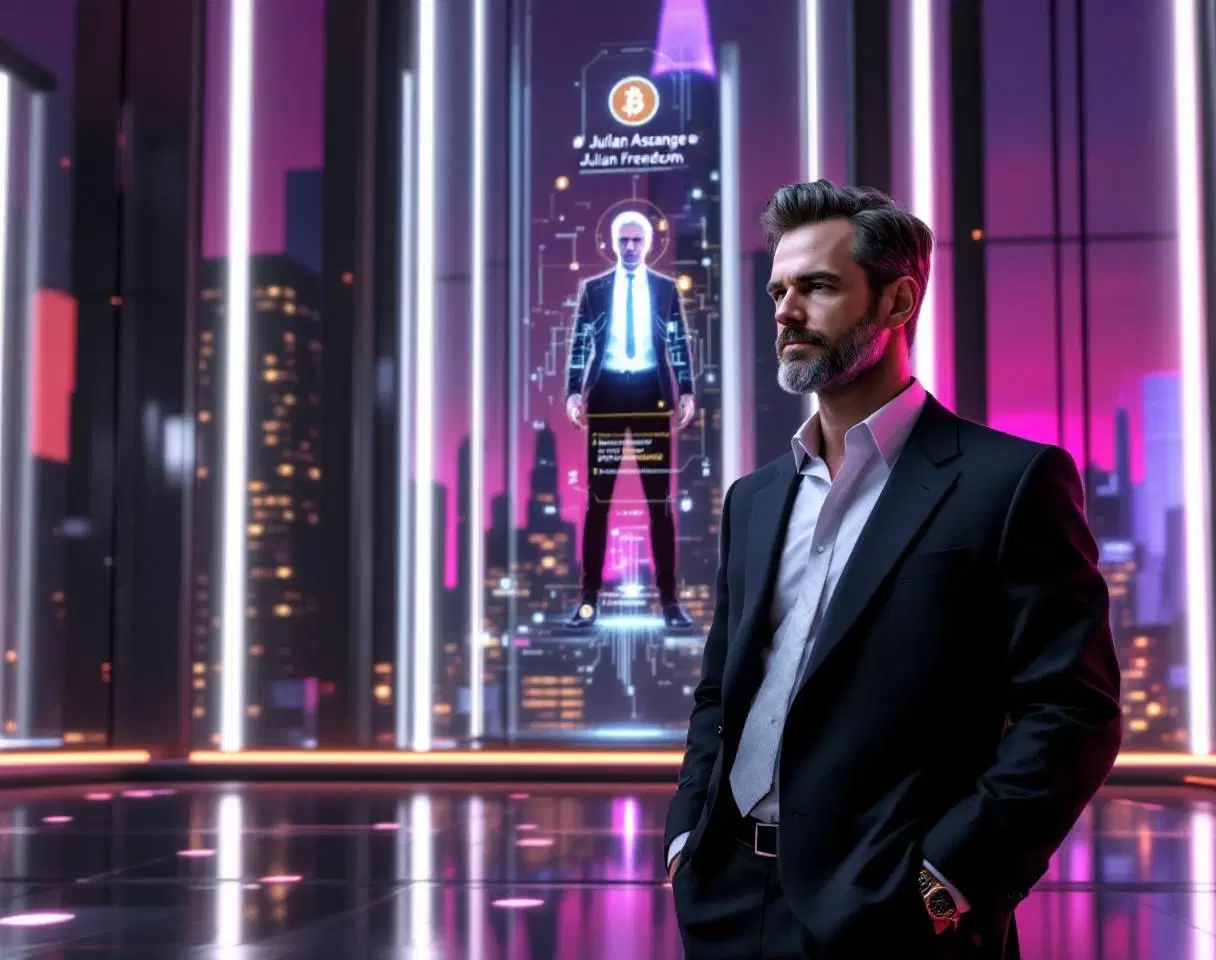
Jack Dorsey champions digital rights in The Six Billion Dollar Man, spotlighting Julian Assange’s impact on press freedom and the role of Bitcoin in advocacy.
May 02, 2026 |
May 02, 2026 |
April 30, 2026 |
April 30, 2026 |
What if the struggle for our digital freedoms lay bare in the life of one man? The Six Billion Dollar Man, a compelling new documentary, plunges into the tumultuous journey of Julian Assange, and in doing so, fans the flames of a crucial conversation about transparency in our digital age. With backing from influential figures like Jack Dorsey, the co-founder of Twitter and CEO of Block, the film casts a spotlight on truths that resonate profoundly within the cryptocurrency community. As we inch closer to a world veiled in censorship, this documentary serves as a clarion call to recognize the indispensable role of decentralized technologies in defending our rights.
Time and again, Jack Dorsey has been an unwavering advocate for free expression and digital rights, and his presence in The Six Billion Dollar Man shines a light on this dedication. Dorsey champions Bitcoin as more than just a speculative asset; he views it as “an open protocol for money transmission,” elevating its purpose to a higher plane. This perspective dovetails perfectly with the documentary's exploration of the intersection of technology and media, connecting both to the broader struggle for civil liberties. Through Dorsey's lens, Bitcoin transforms into a potent symbol of resistance against centralized power, echoing Assange's relentless fight against those who prioritize control over transparency.
Yet, The Six Billion Dollar Man does far more than relay Assange's personal narrative — it boldly confronts critical issues surrounding press freedom and governmental overreach. Assange's work with WikiLeaks and early adoption of Bitcoin provide a testament to how cryptocurrencies can ignite accountability in an age where misinformation flourishes. Studies suggest that Assange’s experiences intersect with pressing regulatory discussions about crypto, prompting vital inquiries about the balance of power between custodial holdings and state intervention. This film ultimately serves as an urgent cautionary tale against authoritarianism that lurks within media and finance, urging viewers to reflect on the dangers of unchecked power.
Positioned at a pivotal moment for cryptocurrency advocates, The Six Billion Dollar Man offers invaluable insights amidst the shifting regulatory paradigms surrounding digital assets. Dorsey’s endorsement highlights a collective awareness emerging within the Bitcoin community: the lessons drawn from Assange’s battle against censorship are vital blueprints for safeguarding personal freedoms. The rise of decentralized exchanges starkly contrasts with centralized platforms vulnerable to attacks and manipulation.
Historically, the need for Bitcoin donations by WikiLeaks after traditional payment processors withdrew their services underscores a critical connection between the fight for digital rights and the evolution of cryptocurrency. As regulations tighten, this documentary implores traders — particularly those in the U.S. — to consider self-custody options like MetaMask, reinforcing the necessity of financial autonomy in an era marked by escalating governmental oversight.
Dorsey casts an ambitious vision for Bitcoin, positing it as a foundational component of the economy rather than merely a reserve of value. This provocative view challenges the dominant discourse surrounding Bitcoin, revealing its potential as a tool for financial inclusion.
The ability of Bitcoin's open-access framework to empower underserved communities is particularly compelling. Dorsey emphasizes that for individuals outside traditional banking systems, Bitcoin presents a transformative opportunity for cost-effective cross-border transactions that avoid middlemen exacerbating economic disparities. In this light, Bitcoin becomes far more than mere currency; it emerges as a crucial instrument for economic liberation.
The Six Billion Dollar Man aligns with today's regulatory hurdles, exposing the ongoing tension between innovation and oversight. With fresh proposals, such as the SEC’s framework for tokenized securities trading, the struggle for clarity in the crypto realm is starkly illuminated. The documentary powerfully underscores how governmental regulation can mimic existing threats to press freedom, underscoring the urgency of vigilance in protecting both the media and the digital economy.
Dorsey’s involvement in this film represents a watershed moment at the confluence of technology, media, and regulatory discourse. By encouraging a richer dialogue about the trajectory of digital rights, it ensures that Assange's fight remains deeply relevant as the landscape of finance continues to evolve in a decentralized world.
The Six Billion Dollar Man transcends the realm of documentary, serving as a potent lens that illuminates the critical issues surrounding digital rights, financial autonomy, and press freedom. With Dorsey at the helm, the narrative reinforces the assertion that technology can be a powerful ally in championing the cause of transparency and individual rights. As viewers engage with this compelling narrative, they are reminded of not only the battles ahead but also their own duty to safeguard the freedoms intrinsic to the increasingly monitored digital frontier. In doing so, the film accentuates the significance of decentralized technologies and the urgent call for individual sovereignty, which now, more than ever, stands at a vital crossroads.