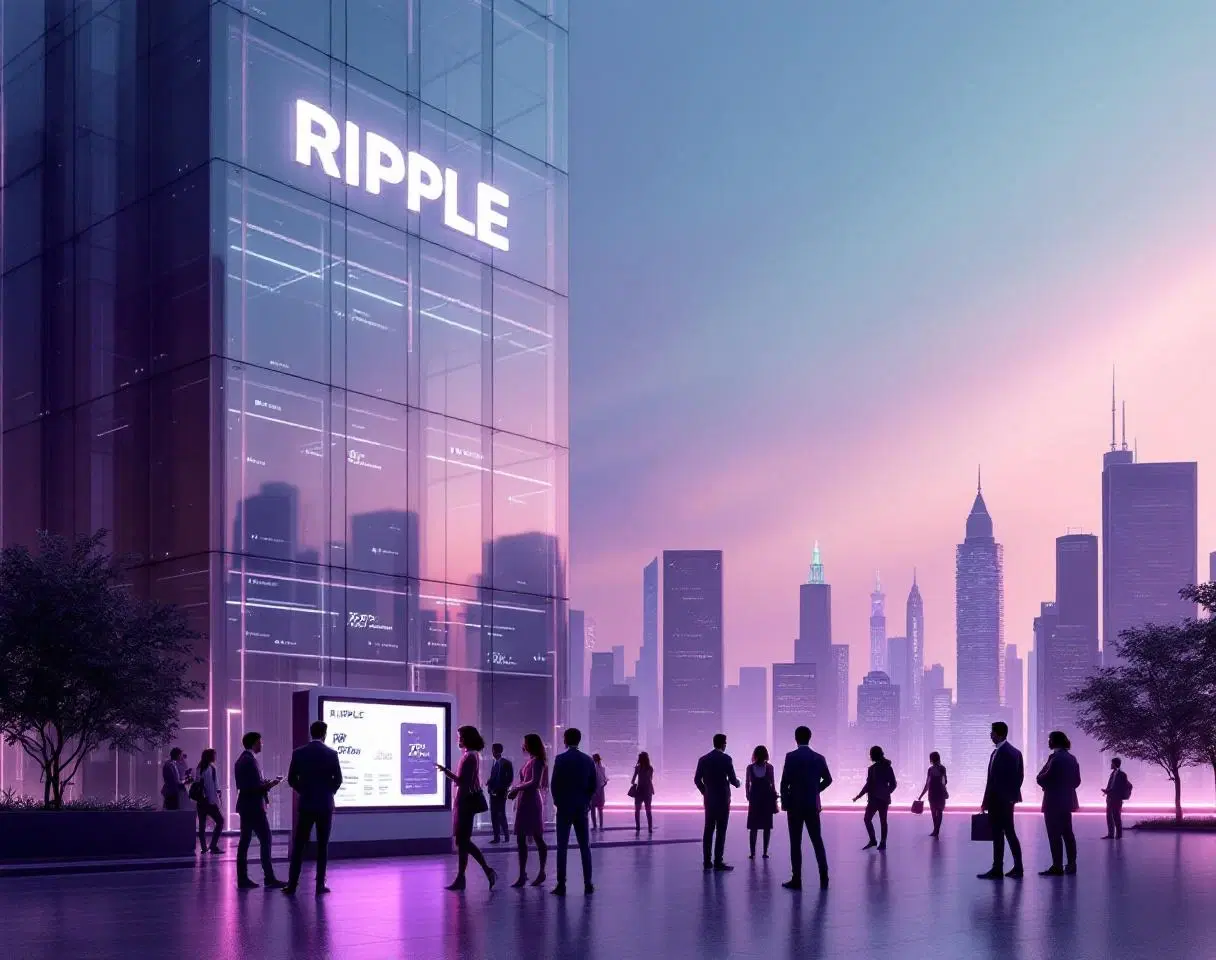
David Schwartz's vision for Ripple highlights the synergy between institutional and retail adoption, paving the way for a resilient XRP ecosystem.
May 02, 2026 |
April 30, 2026 |
April 30, 2026 |
April 28, 2026 |
In a world where the lines between traditional finance and cryptocurrency are increasingly blurred, insights from former Ripple CTO David Schwartz are stirring excitement within the XRP community. His compelling vision underscores a pivotal truth: real institutional adoption is the cornerstone upon which retail engagement will thrive in the crypto sphere. Schwartz paints this picture vividly, likening today’s cryptocurrency evolution to the birth of the internet, where early embrace by governments and corporate giants paved the way for broad public adoption. By forging strong infrastructures now, Ripple is gearing up for an inevitable wave of retail interest tomorrow—an intelligent strategy indeed.
Delving deeper into Ripple's methodical approach, Schwartz presents a clear vision: the construction of a robust infrastructure—including secure payment networks, regulatory-friendly frameworks, and seamless digital asset flows—is imperative for ushering retail into the fold. Ripple’s recent acquisitions reflect an unwavering commitment to build a resilient cryptocurrency ecosystem. Every calculated move is a step towards marrying the established financial world with groundbreaking crypto solutions, ensuring that when the tide turns, retail will find fertile ground awaiting them.
Central to this narrative is the XRP Decentralized Exchange (DEX), a concept projected as a convergence point where institutional and retail ambitions collide. Schwartz maintains that this DEX could foster a low-risk DeFi landscape, nurturing innovative ventures while satisfying the reliability expectations of institutional investors. However, amid this optimistic outlook, the current plight of retail traders cannot be ignored. Many find themselves entangled in anxiety and loss, crying out for immediate solutions that prioritize both autonomy and protection as they navigate these turbulent waters.
The situation for retail investors is indeed bleak. Recent statistics reveal a staggering $8.494 billion lost on exchanges, with a staggering 68% of traders suffering from sleep disturbances directly linked to market-induced stress. Such distress has catalyzed a heightened demand for decentralized alternatives—safer platforms offering greater control and financial oversight. As retail traders seek sanctuary from centralized exchanges, the conversation around XRP’s potential role in nurturing a healthier financial ecosystem intensifies, highlighting a critical shift towards non-custodial solutions.
This delicate dance between the necessity of institutional frameworks and the urgent demands of retail users paints a complex picture. While Ripple’s strategy appears prudent in laying institutional groundwork, critics insist that the immediate concerns of retail traders cannot be overlooked. The murmurs in the marketplace suggest that without attending to the actual experiences of individual traders, the speculative buzz may overshadow the genuine utility embedded within Ripple’s current offerings.
Within the XRP community, reactions to Schwartz’s vision reveal a tapestry of sentiment. Many embrace this long-term strategy, viewing it as a pathway to sustainable growth and wider market acceptance. Yet, dissenting voices, such as that of William Carpenter, emerge, raising alarms about Ripple's acquisitions and their potential immediate impacts on price dynamics. Such responses embody a broader narrative; while the infrastructure discourse resonates, the demand for concrete, immediate results remains a critical focal point for inspiring confidence among investors.
As Ripple continues to forge its strategic path, David Schwartz’s insights illuminate the balancing act of establishing credible institutional frameworks while empowering retail investors. For the XRP community, the challenge is clear: it’s vital to harmonize ambitious long-term aspirations with the pressing realities of the market. As the landscape undergoes ongoing transformation, Ripple must navigate this complex terrain with agility, catering to both institutional aspirations and the immediate desires of retail traders. Only through this careful calibration can the XRP ecosystem aspire to cultivate a more inclusive and resilient digital finance landscape.