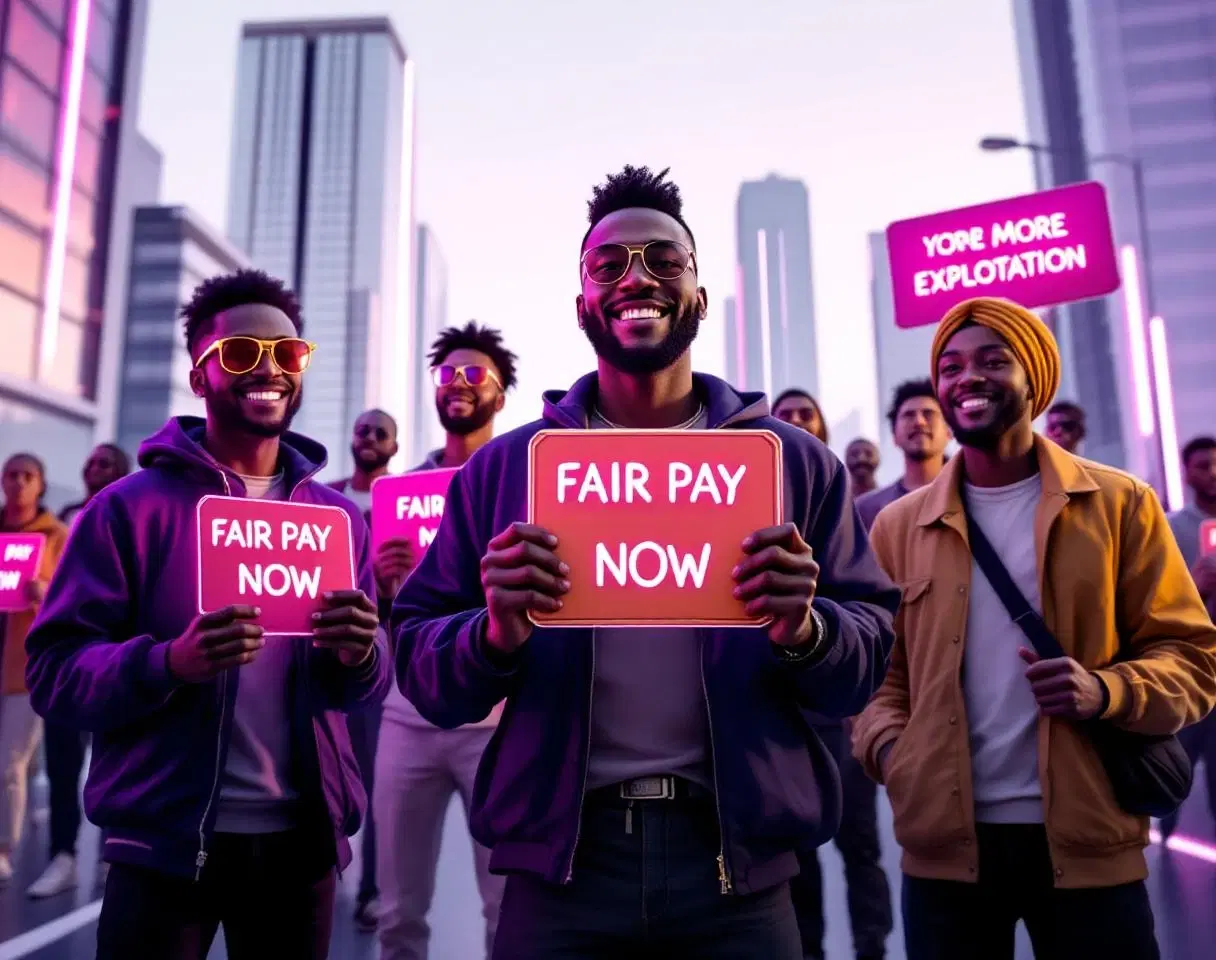
E-hailing drivers in Benin City rally against unfair pricing amidst rising fuel costs. Join the movement for driver welfare and equitable compensation in the gig economy.
July 26, 2025 |
July 25, 2025 |
July 25, 2025 |
July 23, 2025 |
E-hailing drivers in Benin City are raising the alarm, not just for their own livelihoods, but for the future of an industry at a pivotal moment. As members of the Amalgamated Union of App-based Transporters of Nigeria (AUATON) head toward a warning strike, the situation illuminates a broader conversation about the treatment of gig economy workers, the burden of app company commissions, and the urgent need to overhaul pricing strategies in this digital age.
The impending three-day strike isn’t merely a local stir; it symbolizes a growing uprising against an exploitative system. Drivers are united, voicing a dire need for a reassessment of current fare models. In a nation where fuel costs have skyrocketed, the everyday challenges of vehicle maintenance and essential expenses are becoming insurmountable hurdles. The drivers are beseeching for fairness in a world where the cost of living continues to rise sharply.
At the heart of this turmoil lies a pricing structure that has been rendered unmanageable by predatory practices from major players like inDrive and Bolt. These companies have instigated a fierce price war, where the true value of drivers’ services is grossly disregarded. This precarious predicament beckons an urgent reevaluation of fare structures, spotlighting the imbalance fostered by app-centric transportation models.
When inDrive introduced a bidding mechanism, soon echoed by Bolt, it initiated a maelstrom of competing prices that, on the surface, appears beneficial to passengers. However, this gamble has devastating repercussions for the very individuals tasked with delivering these rides. With platforms devouring already thin margins through excessive commissions, drivers find themselves trapped in a cycle of diminishing earnings while living costs surge, threatening their existence in the industry.
Among the myriad of challenges drivers confront, the obscure nature of fare calculations stands out as particularly frustrating. The vague pricing system of inDrive juxtaposed with Bolt’s steep commissions and meager fares creates a labyrinthine dilemma for drivers attempting to make sense of their income. Advocating for transparency and a more just sharing of earnings is a rallying cry that resonates deeply within the driver community.
This struggle extends beyond the borders of Benin City, echoing a worldwide push towards decentralized marketplaces. The rise of cryptocurrency platforms, celebrated for their efficiency and self-governing principles, reveals a broader quest for fairness and autonomy in digital transactions. Drawing inspiration from these models could provide a transformative framework for restructuring the e-hailing sector, pointing toward an era where drivers receive the compensation they rightfully deserve.
As e-hailing drivers in Benin City prepare to take a stand, their push for immediate dialogue with app companies is more than a protest; it’s a call to action. This critical moment underscores the necessity for drivers’ welfare to take precedence, and for pricing structures to reflect the reality of rising operational costs. The fate of the e-hailing industry hinges on this pivotal juncture—an opportunity for app companies to recalibrate and embrace a driver-centric ethos. The lessons gleaned from decentralized innovations across various sectors illustrate that a transparent, fair model isn’t just a possibility—it’s an imperative for the sustainable future of the e-hailing landscape.