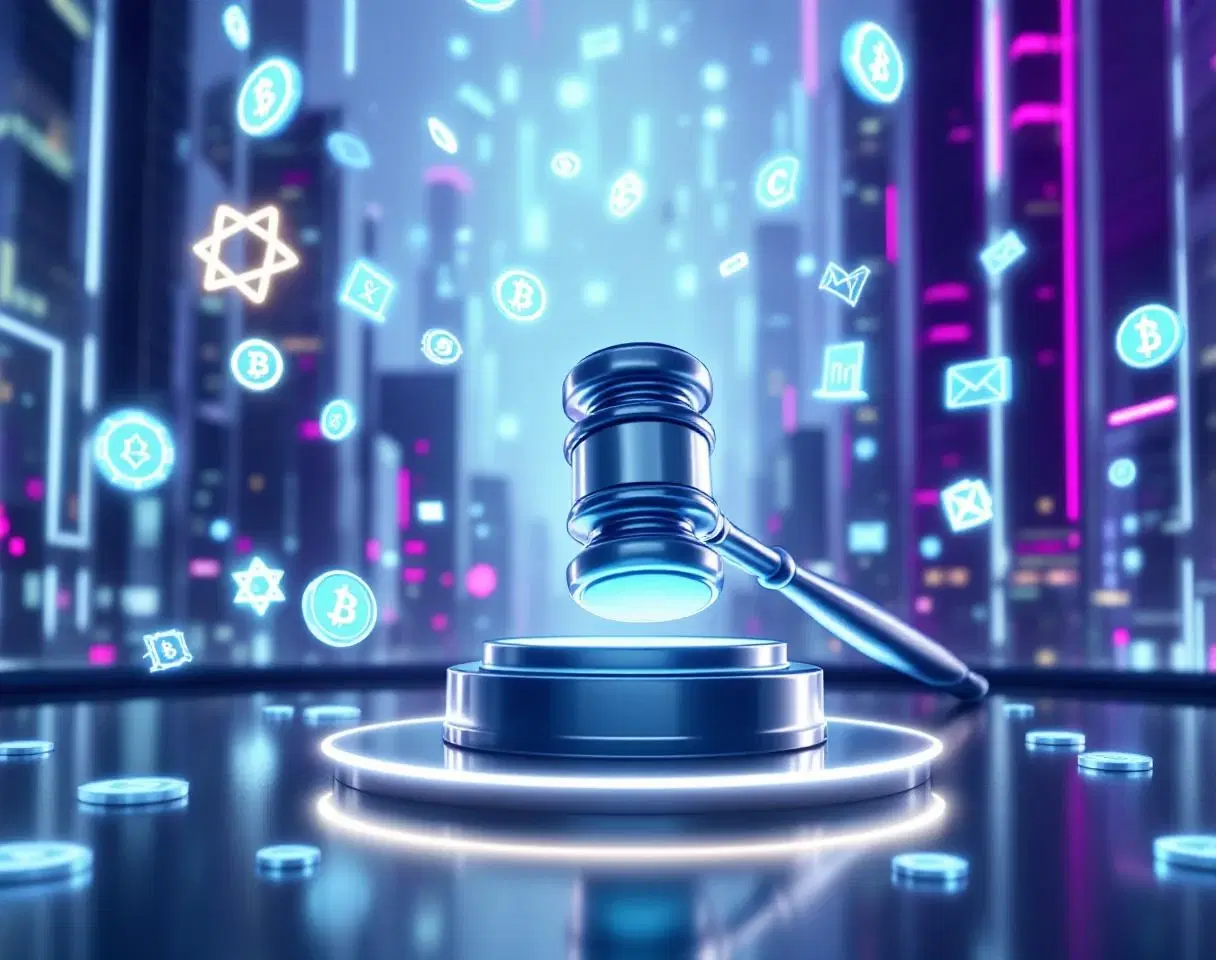
The U.S. Court of Appeals ruling classifies NFTs as goods, redefining trademark law and bolstering protections in the digital asset landscape.
July 23, 2025 |
July 22, 2025 |
July 20, 2025 |
July 20, 2025 |
What if a ruling could turn the tide of digital art and commerce? The recent judgment from the U.S. Court of Appeals does just that, serving as a wake-up call for how we view Non-Fungible Tokens (NFTs) within the intricate layers of trademark law. By officially classifying NFTs as "goods," this decision sets the stage for an invigorating new chapter for artists, collectors, and the entire Web3 landscape.
In an era riddled with ambiguity concerning the legitimacy of digital assets, this classification comes as a breath of fresh air. It bestows upon NFTs the same tangible characteristics and protections afforded to physical items. This landmark ruling, tied to the infamous dispute involving the Bored Ape Yacht Club and its look-alikes, transcends mere legal jargon; it becomes a rallying cry for the digital asset community, crafting a safety net against counterfeiters and clone designs.
This ruling signifies a crucial shift—an acknowledgment that digital assets are just as valuable and worthy of protection as their real-world counterparts. For the first time, we see the hallmarks of trademark law extend into the digital sphere, weaving a safety net for creators and innovators alike. With this reinforcement, the NFT landscape gains a much-needed foundation, empowering artists to express themselves freely without the shadow of theft looming overhead. Freedom and innovation can finally thrive where previously uncertainty reigned.
Navigating the chaos of the digital marketplace has often felt like traversing a lawless frontier. Yet, the clarity brought forth by this ruling slices through the confusion, shedding light on the rights of creators and investors alike. This assurance fortifies the integrity of digital collectibles, reassuring stakeholders while allowing decentralization to take root, all while keeping artistic endeavors protected under the watchful gaze of the law.
The pivot towards recognizing NFTs as goods hinges on mitigating “consumer confusion.” It deftly addresses the blurred lines in artistic markets, ensuring a balance between safeguarding trademarks and honoring the freedoms of speech that artists rely upon. This judicial framework aims to delineate the boundaries where creativity blossoms within the confines of respect for established rights.
As the dust settles on this pivotal ruling, NFT marketplaces will likely undergo a metamorphosis in their operational practices. The implementation of stricter authenticity measures will become par for the course, equipping platforms to thwart trademark infringement head-on. This evolution not only fortifies their legal standing but also enhances their reputation as purveyors of genuine digital artistry.
For digital artists, this ruling serves as both protection and inspiration. It emphasizes the need for proactive trademark protection and elevates the conversation surrounding the sanctity of intellectual labor. We're witnessing a paradigm shift that enlarges the commercial landscape for digital creatives, opening doors to new opportunities and endeavors limited only by their artistic vision.
At the heart of this ruling lies a commitment to authenticity in the NFT ecosystem. By granting creators the legal right to defend their intellectual property, it strengthens the entire marketplace’s credibility. We stand at a juncture where legality and creativity entwine, crafting a rich tapestry where trust and innovation can thrive unabated.
As we embark on this exciting new chapter, the NFT universe stands poised for transformation—one shaped by clarity in legal protections. As we navigate this evolving digital landscape, it is imperative for the community to engage with this newfound legal framework, respecting its guidelines while redefining our relationship with digital assets.
This monumental ruling marks a seismic shift in the intersection of law and technology, bringing NFTs into the realm of legal acknowledgment similar to their physical counterparts. By providing this solid foundation against infringement, it bolsters the commercial and creative potential of the NFT marketplace. As we step into the expansive future of Web3, this decision illuminates a pathway where innovation, authenticity, and legal clarity unite, crafting a reality where the virtual world finds its rightful value and protection.