Charles Hoskinson praises XRP's potential in DeFi, predicting it could outpace Ethereum by 2027. Uncover the implications for blockchain collaboration and governance.
May 26, 2026 |
May 26, 2026 |
May 26, 2026 |
May 23, 2026 |
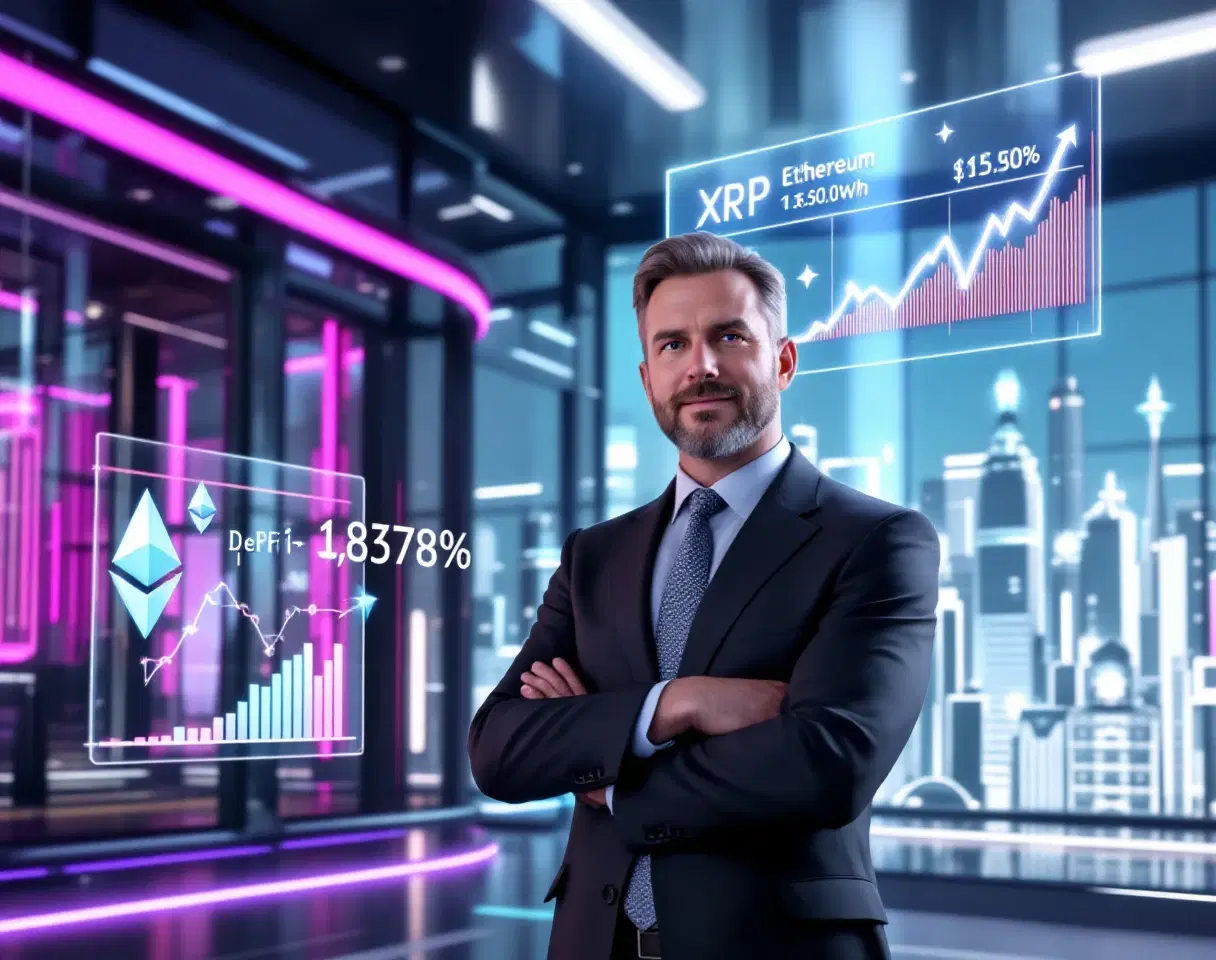
Have you heard the seismic shift? Charles Hoskinson, the man steering the Cardano ship, has taken a surprising turn regarding XRP’s role in the realm of decentralized finance (DeFi). This isn’t just a casual remark; it's a bold proclamation that XRP could potentially outshine Ethereum by 2027. As the crypto sphere buzzes with speculation, we delve into what this pivot means, the historic conflicts between the Cardano and XRP communities, and how this collaboration might redefine digital finance's future.
Gone are the days when Hoskinson hurled sharp critiques at XRP, citing concerns over governance and decentralization. Today, he classifies XRP as a “Web2.5” asset—functioning as a vital bridge between established financial systems and the fast-evolving world of decentralized technology. This re-evaluation marks a significant transformation in XRP's reputation, especially within the booming DeFi sector.
Engineered primarily for institutional use, XRP isn't merely a competitor to Ethereum in the smart contract space; it stands out as a streamlined solution for payments and settlements. With broader industry players grappling with liquidity shortages and scalability hurdles, XRP’s strategic design could pave the way for its swifter integration into the DeFi mainstream, offering unprecedented efficiency.
The fierce rivalry between Cardano and XRP advocates has often boiled over, fueled by differing ideologies surrounding governance and decentralization. Yet, Hoskinson's newfound endorsement of XRP signals an unprecedented opportunity for collaboration, allowing these historically polarized communities to recognize their respective strengths. This newfound harmony could unify their efforts towards advancing blockchain technology as a whole.
While Ethereum wrestles with its ongoing scalability dilemmas and liquidity fragmentation, Hoskinson lauds the potential for XRP’s expertly crafted framework to thrive where broader platforms struggle. The once-contentious discourse between Cardano and XRP might be evolving into a cooperative endeavor, driving cryptocurrency adoption towards the broader public.
Understanding Hoskinson's “Web2.5” label for XRP is vital for grasping its emerging influence in the cryptocurrency ecosystem. This concept centers on a technology that integrates traditional finance with decentralized architecture. XRP emerges as the ideal answer, expertly designed for payment processing, catering specifically to those wary of the custodial risks posed by centralized exchanges.
This nuanced and adaptive structure positions XRP perfectly to respond to the needs of traders, especially in areas where the risks associated with centralized platforms deter participation. By leaning into specialized technological enhancements, XRP can serve as an appealing alternative for users who prioritize speed, efficiency, and stringent compliance measures.
Looking ahead, Hoskinson’s audacious predictions suggest that XRP’s DeFi applications might see explosive growth by 2027. Contrasting sharply with Ethereum’s established reign, his analysis indicates that XRP could capitalize on strategic advantages in liquidity and operational speed. Is it realistic to expect XRP to overtake Ethereum in this critical domain? The answer will undoubtedly hinge on a careful examination of liquidity metrics and developer engagement.
Furthermore, while stablecoins like USDT and USDC play a pivotal role in maintaining liquidity, their reliance on traditional banking systems raises eyebrows among the crypto purists. XRP’s distinctive ability to facilitate transactions autonomously positions it as a key player in the payment landscape, igniting aspirations for financial liberation and innovation.
As the cryptocurrency ecosystem evolves, collaboration across various platforms becomes more crucial than ever. Hoskinson’s changing perceptions on XRP could serve as the necessary spark to ease tensions within diverse crypto communities. By acknowledging each other's unique attributes, stakeholders can foster a cooperative spirit that enhances the entire blockchain experience.
Such unity could forge novel solutions to pressing issues of liquidity and governance, essential for establishing trust in the digital finance realm. As blockchain technology continues to mature, understanding the intricate dynamics between platforms like Cardano and XRP will play a vital role in crafting a robust financial landscape.
Charles Hoskinson's newfound appreciation for XRP reveals an exciting chapter in the DeFi saga. By framing XRP as a bridge into the “Web2.5” era, it stands poised to tackle the liquidity dilemmas currently plaguing DeFi. As the crypto world shifts and transforms, the partnerships formed between erstwhile rivals have the potential to usher in a more interconnected and streamlined digital financial ecosystem. In a landscape often riddled with division, Hoskinson's commentary offers a glimmer of hope—inviting us all to envision a unified future steeped in progress and innovation. The possibilities for crypto are vast, and XRP could very well be at the forefront of this evolution.