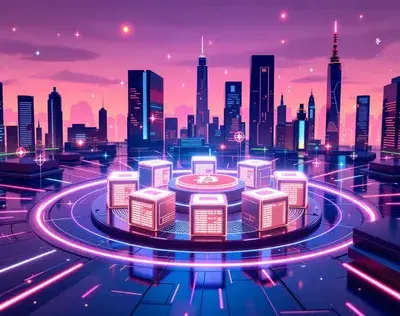
Web3 gaming is revolutionizing digital ownership, transforming players into stakeholders with real value through gaming tokens and blockchain technology.
Written by: Dextr|May 10, 2026|4 min read
May 10, 2026 |
May 10, 2026 |
May 10, 2026 |
May 10, 2026 |
What if I told you that gaming is no longer just an escape from reality, but a revolutionary frontier for digital ownership? Enter Web3 gaming, where the marriage of blockchain technology and interactive entertainment is rewriting the rules of engagement. Gamers are no longer passive participants—they're active stakeholders in a bustling digital economy. In this exploration, we peel back the layers on how blockchain reshapes our understanding of ownership, democratizes gameplay, and presents a unique set of challenges and exhilarating advantages.
Gaming tokens are soaring as pivotal players in the shift towards blockchain paradigms, lifting gamers into a universe where their digital assets have real value. Gone is the era where individuals merely rented experiences from faceless publishers; with blockchain, ownership is enshrined in an unyielding on-chain record. Think about it: those coveted rare skins, flashiest weapons, or prized in-game currencies can now be traded across platforms in an open marketplace, marking a shift toward decentralized gaming economies.
Recent data is illuminating. Blockchain gaming has amassed a staggering 4.66 million daily active wallets, approximately 25% of the bustling crypto landscape. This alerts us to a fervent acceptance of gaming tokens as a credible gateway into cryptocurrency, hinting at a compelling narrative that is gaining momentum.
The shift from play-to-earn to a play-and-own mindset is a seismic transformation in the blockchain gaming space. Many flocked to this realm chasing financial incentives, inadvertently destabilizing its economic frameworks. But the tide is changing, as we witness a renewed emphasis on enriching gameplay experiences tied to meaningful token utility.
In this play-and-own model, the focus is on delightful, immersive gameplay. Blockchain acts as an enriching layer rather than an overshadowing presence. Players earn rewards through quests, tournaments, and unique item crafting, thus fostering strong community ties. This harmonious dance between token functionality and player involvement cultivates loyalty while nurturing sustainable economic ecosystems.
As the blockchain gaming universe expands, regulatory frameworks are stepping into the spotlight. Initiatives like the European Union's Markets in Crypto-Assets (MiCA) framework aim to delineate legal parameters for gaming tokens to forge a transparent and secure environment. Yet, interpreting and implementing these regulations can be anything but straightforward.
Developers must balance token utility with compliance demands, striving for innovation while safeguarding user rights. This delicate equilibrium is vital, particularly in a market often characterized by thin liquidity, where speculative trades may artificially inflate asset valuations and trigger volatility.
For gaming tokens to ascend beyond mere notions of speculation, they must fulfill a tangible role within their ecosystems. When tokens facilitate crafting, trading, or fee payments, they anchor players to the experience, transforming them into indispensable elements rather than episodic financial tools. Environments that effectively marry token economics with authentic player interaction create lasting value.
Investors and developers alike must keep their eyes firmly on key indicators—active user counts, transaction quality, and practical token applications. By fostering reputable engagements over transient trends, blockchain gaming holds the promise of enduring success as it matures.
Not everything is smooth sailing in this exciting frontier. Blockchain gaming faces considerable hurdles. A primary concern is the tendency to oversell game quality, often allowing hype to eclipse genuine gameplay. Additionally, the reliance on specific platforms raises doubts about the durability of digital assets, particularly if communities wane or the ecosystem falters.
As the industry evolves, securing player trust through robust smart contracts and transparent practices solidifies the concept of digital ownership. The stability of this thrilling new world will hinge on maintaining this trust.
Blockchain gaming is carving out a new understanding of digital ownership, laying the groundwork for an innovative future where player engagement and economic participation intertwine seamlessly. As we navigate this vibrant landscape, the potential for growth in digital assets—coupled with the establishment of compliant, compelling gaming environments—heralds an exciting chapter ahead. Prioritizing genuine experiences and adhering to regulatory frameworks will pave the way for an inclusive ecosystem, where players proudly claim ownership of their digital journeys.