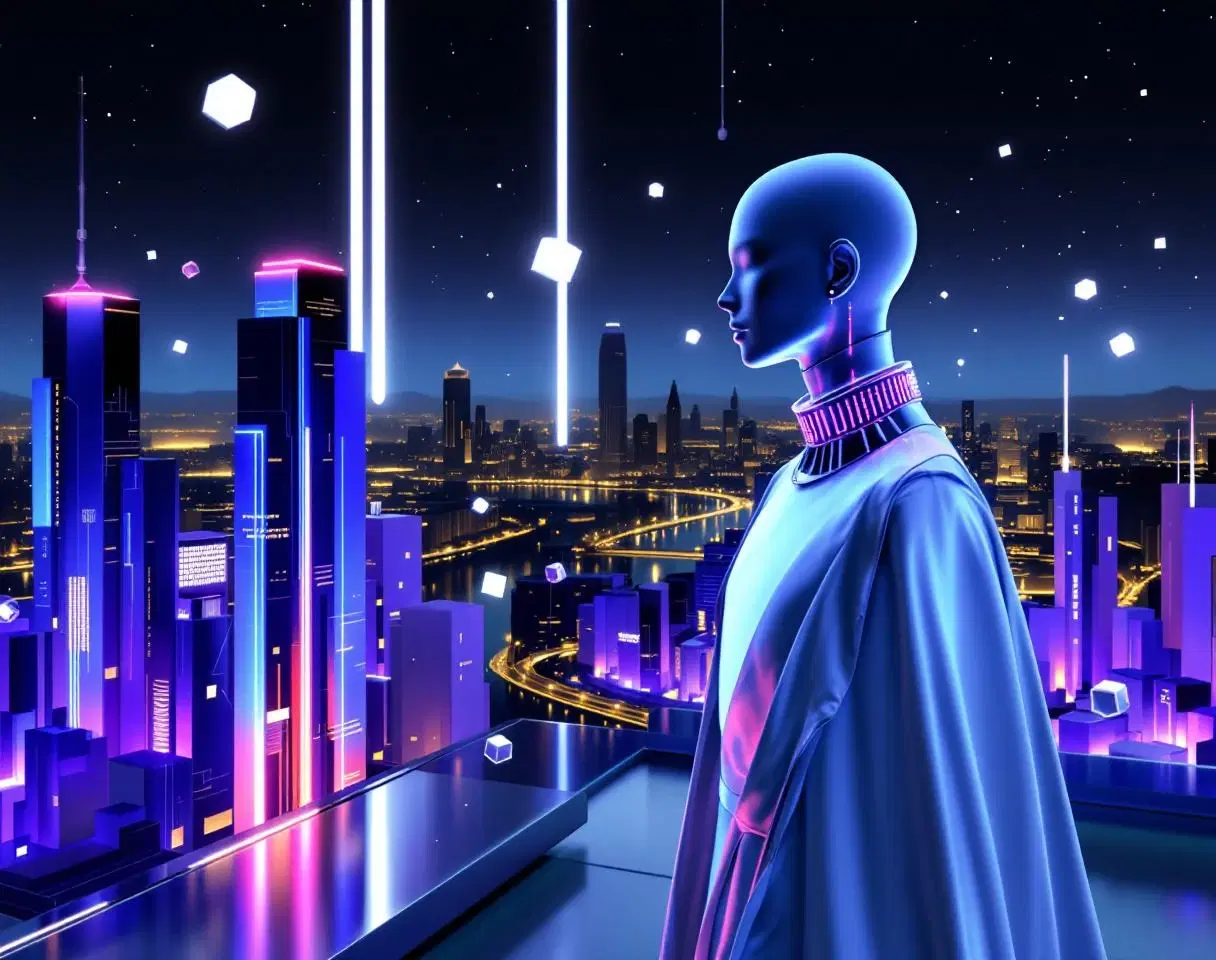
Twitter Avatars leverage NFTs to redefine digital identity, offering users verified profile pictures rooted in blockchain, propelling mainstream NFT adoption.
March 26, 2026 |
March 26, 2026 |
March 26, 2026 |
March 25, 2026 |
What if your online persona could now be an authentic manifestation of ownership? As Twitter prepares to roll out its innovative Twitter Avatars, the merging of non-fungible tokens (NFTs) with personal identities is set to redefine the way we engage in the online landscape. This fresh feature empowers users to showcase verified NFT profile pictures, anchoring identity firmly within the boundless expanse of Twitter’s evolving metaverse. This could indeed mark a significant leap toward mainstream NFT acceptance, positioning digital representation as a vital aspect of our social fabric.
At their core, Twitter Avatars represent unique, authenticated profile images crafted from NFTs securely anchored on the Ethereum blockchain. The authenticity process guarantees that each user's digital embodiment is unique and nearly impossible to duplicate. This shift towards verified Twitter NFTs aims to revolutionize how we perceive online identity, transforming ownership from a mere concept into a palpable reality, thereby elevating the role of NFTs beyond simple collectibles. As articulated by the engineers behind this initiative, Twitter's goal here is to enrich user experience with pioneering technology.
As we gaze into the future of self-representation, it becomes increasingly clear that NFTs will play a crucial role as legitimate symbols of identity. By offering verified Twitter NFTs, users receive a striking avenue to articulate their uniqueness while demonstrating rightful ownership of digital assets. This evolution reshapes the dynamics of user engagement, nudging our society to consider NFTs not just as curiosities but as essential tools for self-identification in a digital age. With a vibrant array of crypto enthusiasts populating its platform, Twitter is strategically poised to lead this exhilarating transition, catering thoughtfully to users eager for innovative blockchain applications.
Reflecting on his past hesitations regarding cryptocurrency, Jack Dorsey’s newfound endorsement of Ethereum-driven services symbolizes a transformational turnaround. His previous advocacy for “Valuables by CENT”—a pioneer that enables users to convert tweets into NFTs—illustrates a growing acceptance of NFTs within mainstream culture. Dorsey’s pivotal role in championing verified Twitter NFTs cannot be understated, especially among committed crypto and NFT supporters. His endorsement infuses credibility into the integration of blockchain avatars, positioning them as fundamental components of personal identity in our digital lives.
As the NFT landscape rapidly evolves, navigating the regulatory terrain surrounding these initiatives becomes increasingly crucial. Crafting compliance frameworks that safeguard both platforms and users is essential for ensuring long-term viability. Legislative advancements like the Markets in Crypto-Assets (MiCA) regulation within the EU and dialogues between the SEC and CFTC in the U.S. signal a drive toward regulatory clarity in the crypto sphere. This clarity could either pave the way for smoother NFT profile picture adoption or impose hurdles that complicate their utility. Thus, traversing these regulatory avenues is imperative for nurturing innovations like Twitter Avatars within legal confines.
The arrival of Twitter Avatars is not merely a technical update; it’s an invitation for community interaction by intertwining digital identities with verifiable assets. By personalizing profiles with NFTs, Twitter ignites richer social media experiences and inspires exploration of NFT marketplaces, such as OpenSea, where remarkable trading volumes have recently surged to $1 billion. Esteemed figures within the crypto community are rallying around this expanding movement, fostering an environment lively with idea exchanges and asset trading. Twitter Avatars encourage dynamic discussions about the functional value of NFTs, bridging gaps between everyday users and blockchain enthusiasts.
In sum, Twitter Avatars are emblematic of a seismic shift in how we conceptualize integration between NFTs and digital identity. This trailblazing feature not only revolutionizes user interactions with social media but also reshapes our understanding of ownership. While we face obstacles pertaining to regulatory scrutiny and market skepticism, the potential for broad acceptance, coupled with influential backing, heralds a bright horizon for NFTs. For enthusiasts ready to immerse themselves in this unfolding narrative, a new chapter awaits—one that intertwines identity, community, and blockchain technology in ways previously unimagined.