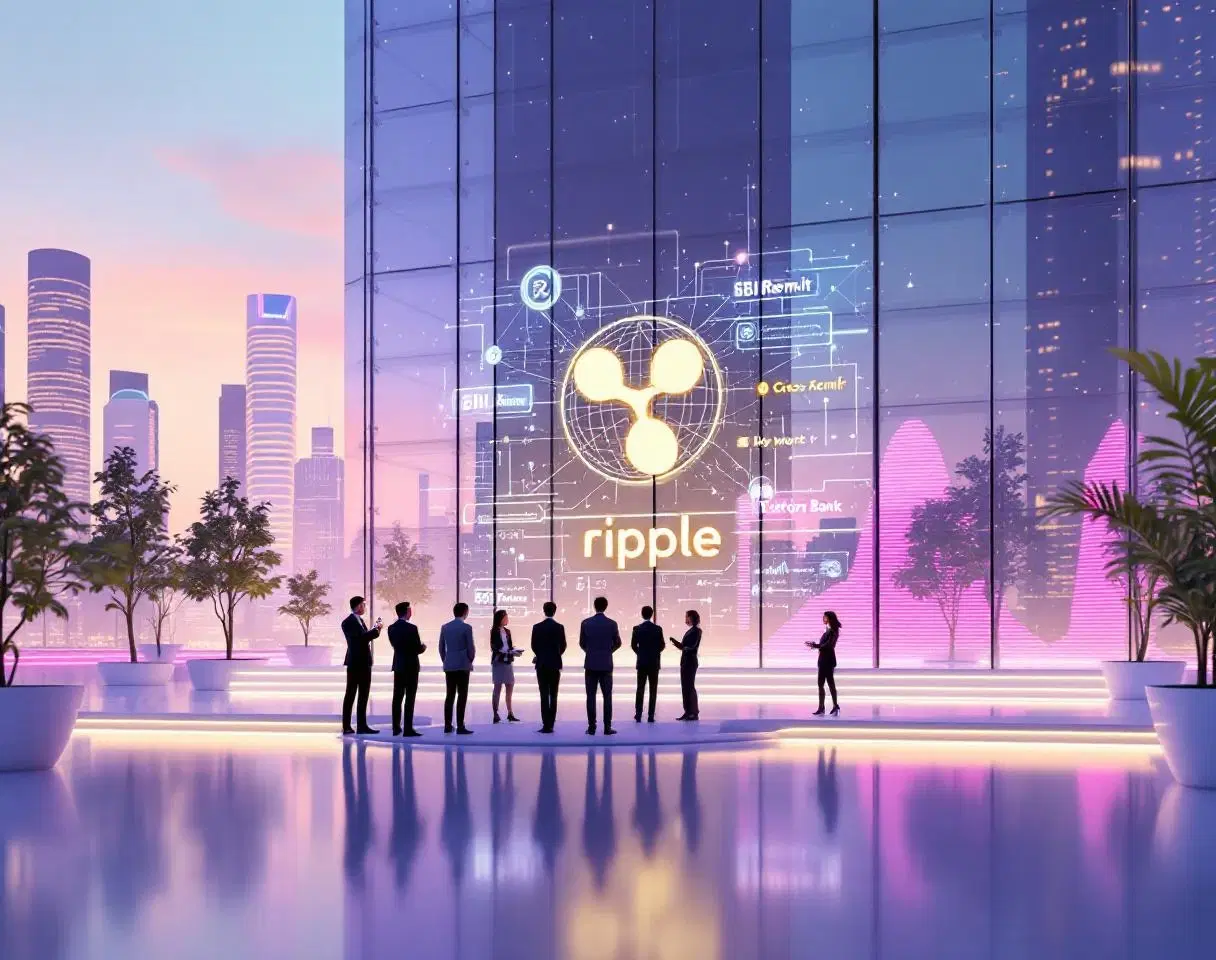
SBI Remit and Tottori Bank innovate Japan's cross-border payments with Ripple's technology, enhancing efficiency and reducing costs for low-value remittances.
April 20, 2026 |
April 20, 2026 |
April 20, 2026 |
April 19, 2026 |
What if modern finance could move as swiftly as a text message? Traditional banking, often bogged down by sluggish protocols, is on the verge of a dramatic makeover. Enter the dynamo collaboration between SBI Remit and Tottori Bank, a bold stride into the realm of Ripple’s distributed ledger technology that promises to redefine cross-border payments in Japan. This partnership focuses on low-value remittances, which have long been ensnared in a web of inefficiency, excessive fees, and glacial processing times—a revolution is in the making for those desperately seeking an efficient alternative in our high-tech world.
Consider this: sending money to family in another country should be straightforward, yet it often transforms into a cumbersome ordeal fraught with high costs and prolonged waiting. With countless individuals caught in this cycle of frustration, it is high time for blockchain technology to step into the limelight. Financial entities are beginning to recognize the efficiencies that come with cost-effective transfers driven by innovative concepts. Ripple's infrastructure offers an enticing remedy, streamlining cross-border transactions while significantly cutting expenses.
As Japan’s financial sector evolves, SBI Ripple Asia is stepping in as a trailblazer of change. In an admirable joint venture with South Korea’s fintech player, DSRV, they are charting the potential of the XRP Ledger payments system. This collaborative effort is not merely a partnership; it represents the forging of stronger payment channels between Japan and South Korea. Here lies a critical transformation as financial powerhouses worldwide begin to integrate hybrid payment models that effectively blend conventional banking with blockchain advancements.
For decades, SWIFT has been synonymous with global transactions, but its shine is beginning to dim. Increasingly stringent regulations, like ISO 20022, have exposed its underlying weaknesses, particularly concerning low-value remittances. In stark contrast to this, Ripple’s innovative technology allows financial institutions to tackle such challenges head-on. By minimizing operational obstacles and ramping up transaction speeds, banks are clearly eager for modernization, and solutions like Ripple's are poised to answer that clarion call.
XRP isn’t merely another cryptocurrency; it is poised to reshape the frameworks of global payments. Acting as a vital connecting currency, it expeditiously converts between fiat currencies with unprecedented ease. Thanks to Ripple's On-Demand Liquidity (ODL) technology, banks can eliminate the cumbersome need for pre-funding international accounts—thus liberating crucial capital. This groundbreaking route not only enhances liquidity but also drives down operational costs, paving the way for a future where seamless transactions are the standard rather than the exception.
The growing acceptance of XRP by major players such as SBI Remit, MoneyGram, and banking giants like Santander amplifies its significance in today’s competitive financial arena. Rising sentiment points to a newfound confidence in leveraging Ripple’s solutions to catalyze efficiency and reliability in payment systems. Analysts project that as XRP’s institutional adoption accelerates, it might ultimately rival established currencies in market value, solidifying blockchain payment methods as a foundational element of future financial transactions.
The alliance forming between SBI Remit and Tottori Bank signals a pivotal shift in the landscape of cross-border payments. This partnership not only underscores the pressing need for effective remittance solutions but also represents a significant turn towards a future where traditional mechanisms like SWIFT are met with technological innovation. With Ripple breaking new ground, improved transaction speeds and fresh opportunities are emerging for banks, payment providers, and users alike.
As we look ahead, the transformation brought forth by digital currencies and enhanced payment corridors sketches an exhilarating vision of a revolutionized global financial ecosystem—one that is rapidly drifting into a blockchain-centric future. This shift holds tremendous promise, underscoring the exceptional potential of modern payment solutions that are not just changes but remarkably transformative enhancements.