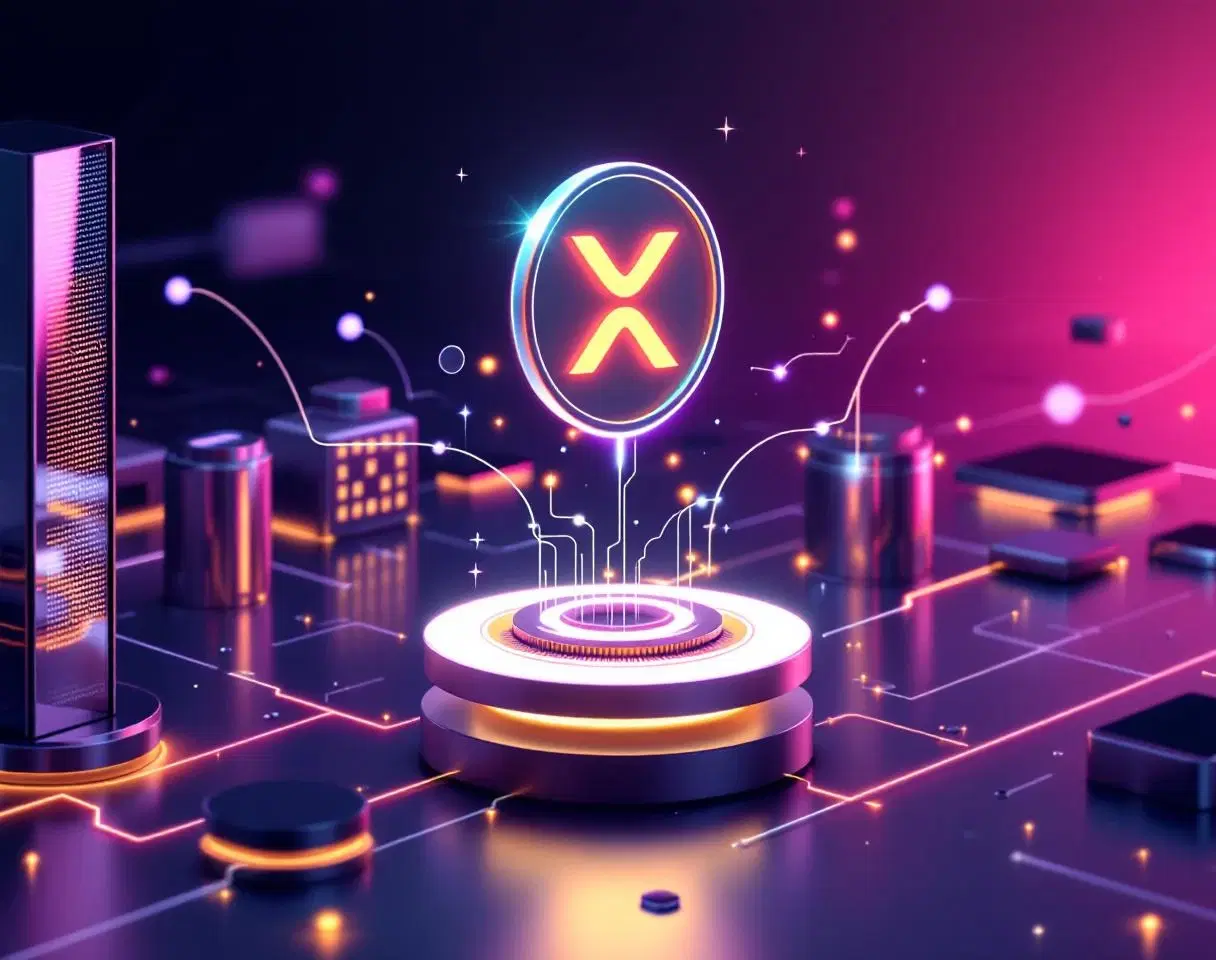
Ripple is reshaping global finance with XRP, driving asset tokenization and expanding RippleNet. Discover how XRP's evolution empowers a new programmable financial system.
August 28, 2025 |
August 28, 2025 |
August 28, 2025 |
August 28, 2025 |
There’s a seismic shift underway in the world of finance, driven not by traditional banking institutions but by a fiery contender: Ripple. Its transition from a fledgling cryptocurrency to the cornerstone of a reimagined financial ecosystem hints at something phenomenal on the horizon. XRP is poised not just to enhance transactions but to fundamentally redefine how value is exchanged across the globe in a future where connectivity reigns supreme.
At its genesis, Ripple aimed to redefine international payments, crafting RippleNet as a sleek, cost-effective alternative to the lumbering SWIFT. But the narrative has shifted dramatically. Ripple is not just seeking to streamline payments; it is ambitiously constructing a vast financial cosmos, with the XRP ledger serving as the critical backbone of this bold undertaking.
The game changes further with Ripple's focus on asset tokenization and the introduction of stablecoins. By allowing real-world assets—like property or oil—to be tokenized on the XRPL, Ripple paves the way for democratized ownership and frictionless transactions, making the Internet of Value a tangible reality. The rollout of stablecoins, such as RLUSD, operating on both XRPL and Ethereum, underscores Ripple's drive to integrate conventional financial systems with decentralized frameworks that enhance liquidity and optimize market dynamics.
RippleNet's aggressive expansion into emerging markets—including Africa, Latin America, and the Middle East—alongside collaborative ventures with a plethora of banking institutions has solidified XRP’s growing prominence within mainstream finance. The use of XRP in futures trading on platforms like CME and Coinbase marks a decisive shift, viewing XRP less as a speculative vehicle and more as a utility token embedded with extensive possibilities. This evolution is championed further by Ripple’s commitment to establishing a stringent regulatory environment and partnerships that extend XRP’s usage from international payments to the foundational layer of a programmable financial architecture.
As Ripple deepens ties with established banks and central banks, it ignites a contentious conversation about the essence of decentralization. With aspirations to create a universal financial system, these alliances twist the original blockchain principle of decentralization into a conundrum, raising questions about the independence and resilience of such a system against centralized control.
The partnerships Ripple forges with traditional banking systems juxtapose with the very principles of scalability, speed, and autonomy that underpin Web3 technologies. For stakeholders prioritizing compliance and security—especially in stringent markets like the U.S. and the EU—the challenge lies in finding a balance between leveraging Ripple’s innovative advancements and safeguarding the foundational tenets of decentralization and self-custody.
Ripple's rebranding mirrors its transformative vision of an interconnected financial landscape, aptly referred to as the Internet of Value. This shift transcends mere expansion; it challenges and redefines how we conceive and engage in global value exchange, positioning XRP as the vanguard of a revolutionary transformation.
As Ripple navigates the intricate maze of opportunities and challenges emerging from its expansive vision, the implications for XRP holders, the wider cryptocurrency community, and the global financial infrastructure are profound. This journey highlights an essential evolution from a mere digital asset to a pivotal element within a new, programmable financial ecosystem. Investors, innovators, and financial entities must watch closely; this unfolding saga suggests an exhilarating future that beckons, while presenting critical discussions about the direction of finance, the principles of decentralization, and the role of digital currencies in crafting a more unified and efficient global economy.