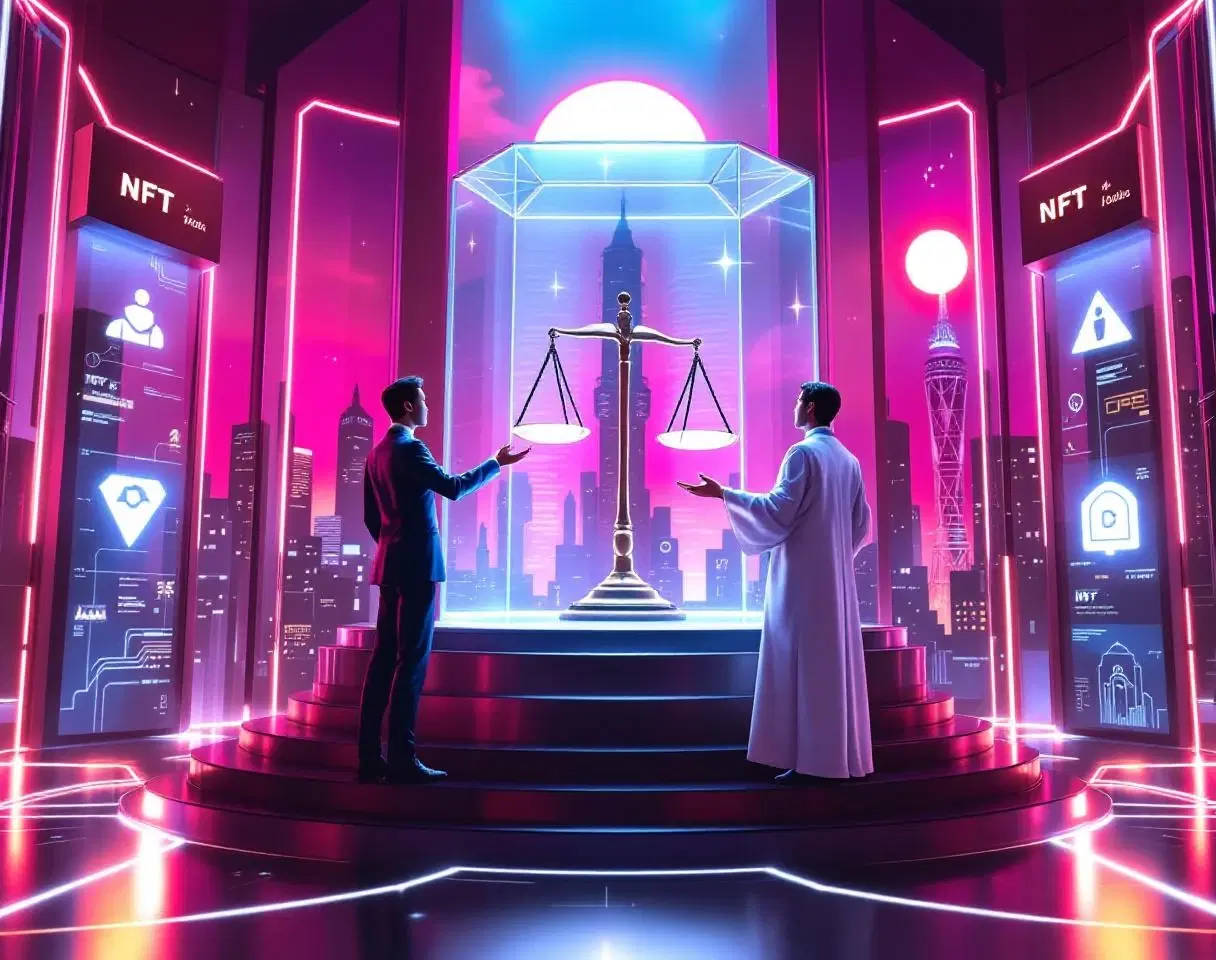
The Yuga Labs vs. Ryder Ripps case reshapes trademark protections in the NFT space, highlighting the tensions between creativity and intellectual property rights.
April 08, 2026 |
April 07, 2026 |
April 06, 2026 |
April 06, 2026 |
The legal storm surrounding Yuga Labs and the artistic duo of Ryder Ripps and Jeremy Cahen has drawn to a close, but the echoes of this monumental clash will reverberate in the NFT universe for a long while. Far more than a mere trademark spat, this dramatic case ignites a crucial dialogue about the friction between creative expression and the safeguarding of intellectual property amidst the exhilarating chaos of digital art. As we sift through the aftermath, the settlement arrives bearing critical revelations that may reshape how artists engage within the NFT marketplace.
It all began in 2022, when Yuga Labs—famed for their Bored Ape Yacht Club (BAYC) NFTs—filed an impressive volley of accusations against Ripps and Cahen for allegedly infringing on their trademarks. The duo’s project, dubbed “RR/BAYC,” sparked an intense debate. Was it a genuine artistic commentary, or did it tread too uncomfortably close to infringement? This fundamental question captured the imagination of not just legal minds, but a community anxious to understand how the courtroom might clarify the often-blurred lines of creativity and ownership.
In an initial ruling, a U.S. District Court sided confidently with Yuga Labs, bestowing nearly $9 million in damages and asserting that the “RR/BAYC” creations could easily mislead consumers. However, the tides shifted dramatically when the Ninth Circuit Court of Appeals stepped in, suggesting that a jury ought to deliberate whether Ripps' original intentions genuinely disoriented buyers. This back-and-forth legal ballet amplifies a pressing narrative: the stakes for artistic freedom in our rapidly changing digital environment have never been higher.
The storm eventually settled into a resolution that bars Ripps and Cahen from utilizing Yuga Labs’ trademarks or visuals moving forward. Though specific financial details remain cloaked in secrecy, this pivotal outcome underscores Yuga Labs’ commitment to maintaining their brand's sanctity while also acting as a cautionary tale for creators straddling the perilous border between parody and infringement.
This settlement illuminates a pressing need for transparent trademark regulations within the NFT ecosystem—a fact many artists keenly feel as they navigate the intricate terrain of creative freedom in this burgeoning digital age. It raises fundamental questions about how the community values artistic liberties against the imperative to protect established brands.
As the legal dialogue unfolded, weighty questions about the future of intellectual property rights in the NFT landscape emerged with clarity. What ramifications does this decision bear for artists, collectors, and creators of digital assets? The ruling spotlights the urgency for sturdy legal frameworks to help guide artists through the labyrinth of trademark protections, ensuring that innovation does not falter under the weight of legal concerns.
This case is a resounding wake-up call for anyone dabbling in the NFT realm; the environment is riddled with risks that could endanger creative ventures. The legal precedent established here may augur the necessity for clearer guidelines governing the commercialization of digital art—a territory that frequently dances beyond traditional legal boundaries.
A significant consequence arising from the Yuga Labs vs. Ripps legal battle lies in the burgeoning dilemma of consumer confusion within the NFT marketplace. The anxiety that similar visuals might mislead buyers stands as a genuine threat to brand integrity and the efficacy of trademark laws. With collectors becoming increasingly discerning, the murkiness surrounding originality could trigger greater conflict, undermining the foundational trust that sustains this marketplace.
Legal experts champion the need for comprehensive directives that delineate the limits of artistic expression in the realm of NFTs. These recommendations are not merely casual insights; they are vital for preserving the creative vigor that fuels the NFT ecosystem while also ensuring mutual trust among artists and collectors alike.
The Yuga Labs case sets a pivotal benchmark but also serves as a stark reminder to artists about the fragility of their creative expressions within the overarching legal framework. This intersection of art, technology, and law is a newly chartered territory brimming with complexities that creatives must traverse. The challenges illuminated here underscore the immediate necessity for ongoing discussions about how to harmonize artistic freedoms with the need to protect intellectual rights.
As the NFT landscape continues to evolve, the outcome of this legal debacle will undoubtedly set the course for future confrontations, shaping how the interplay between art, technology, and law develops in the years ahead.
In summary, the highly publicized legal conflict involving Yuga Labs and Ryder Ripps shines a bright light on the intricate issues surrounding trademark protections within the NFT ecosystem. As this chapter closes, artists and collectors must proceed with caution, fully aware of their rights within an ever-shifting legal environment. The ramifications of this lawsuit not only influence current practices but also spark a vital conversation about balancing artistic freedom with the essential rigor of trademark safeguards. The convergence of art and technology has never been more dynamic or contentious, and the aftershocks will challenge conventions as the NFT realm continues to unfold.