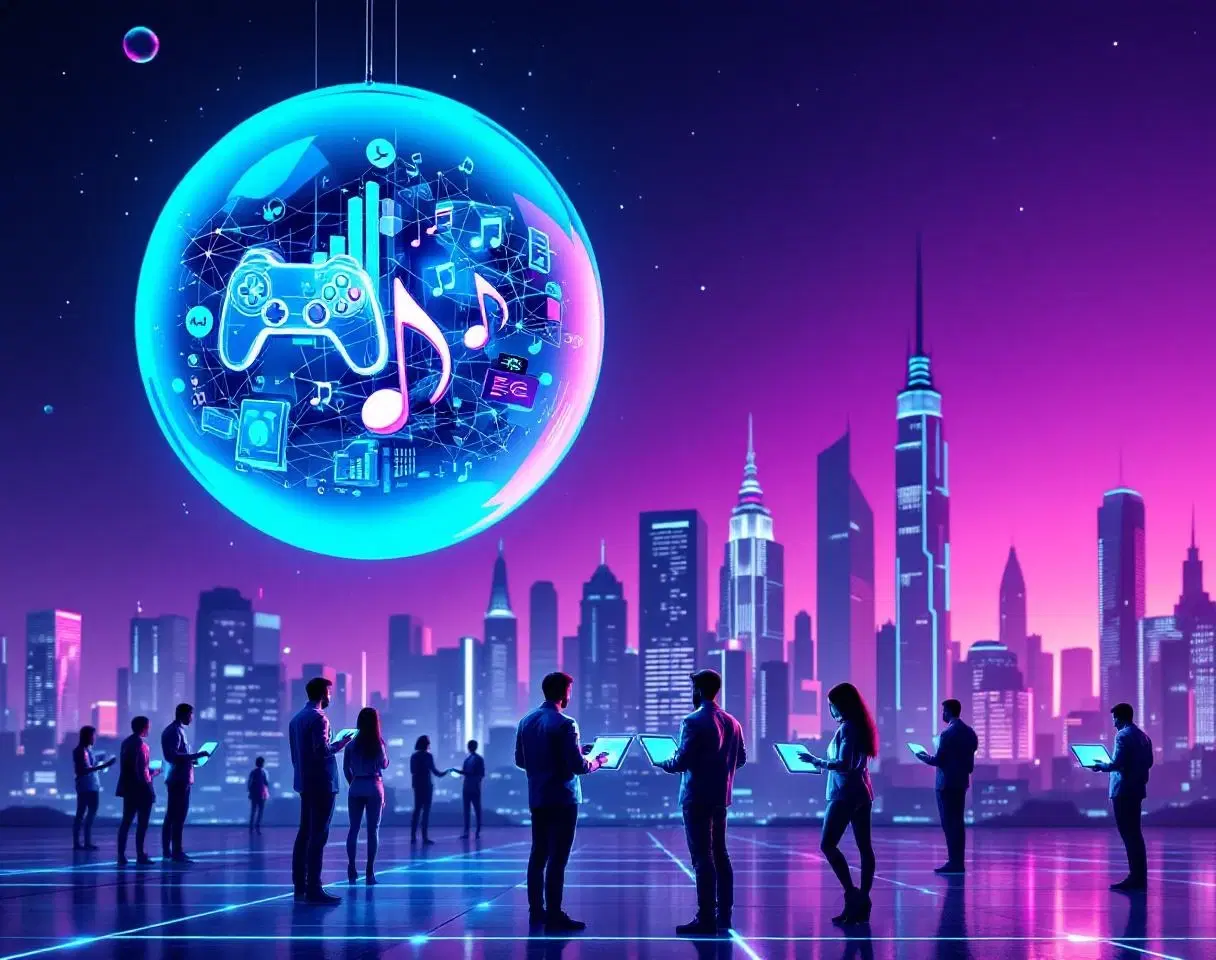
Explore the transformative evolution of NFTs, transitioning from collectibles to essential digital assets across gaming, music, and real estate, fostering community and sustainability.
April 02, 2026 |
April 02, 2026 |
April 01, 2026 |
April 01, 2026 |
Can we pause for a moment to appreciate the extraordinary evolution of NFTs? What began as a playground for digital art aficionados and pixelated memes has transformed into practical digital resources with genuine utility. As we hurtle toward 2025, these assets are doing more than just sitting pretty in digital wallets; they’re redefining ownership, challenging our perceptions of value, and stirring waves across various industries. This remarkable transition is not merely about innovation; it's a revolution in how we inherently understand wealth and possession in a world that increasingly exists online.
Take a closer look at the gaming world: NFTs are rewriting the rules of player engagement and asset ownership. Gone are the days of disposable in-game items. Now, thanks to NFTs, players possess actual ownership over characters, weapons, and virtual realms. This play-to-own format transforms these digital entities into tangible investments that can be traded or sold. Players are no longer just participants; they are stakeholders, unlocking new financial pathways in a once-closed ecosystem.
Meanwhile, the music industry is catching the NFT fever, allowing artists to flip traditional distribution models on their heads. By offering limited digital albums and concert tickets directly to fans, musicians sidestep the middlemen who typically siphon off their earnings. This not only guarantees artists a larger piece of the pie but also places them in closer proximity to their supporters. Music NFTs are emerging as more than collector's items; they have become instruments for authentic interaction and economic resilience.
Let’s pivot to real estate, an industry on the brink of a seismic shift thanks to NFTs. By tokenizing physical properties, transactions are not just streamlined; they become transparent and secure. Imagine holding a digital deed that represents your ownership — it’s a game changer. This trend paves the way for fractional ownership, inviting smaller investors into a market previously dominated by the wealthy. Major financial players like BlackRock and JPMorgan are keenly eyeing this shift, signaling a monumental democratization of asset ownership and a move toward a more dynamic marketplace.
But the story doesn’t end there. The notion of tokenized real-world assets (RWAs) is fast gaining traction, attracting institutional money and embedding NFTs deeper into our financial veins. This transformation not only alters how we trade properties but also reshapes the fabric of value creation across various sectors, prompting us to reconsider our foundational understanding of wealth.
Supporting this revolution is a wave of technological advancements that fortify the NFT landscape. Innovations in blockchain are leading us towards a more sustainable and efficient future. Eco-friendly platforms that employ proof-of-stake methods are a breath of fresh air, significantly curbing energy usage in an industry often labeled as wasteful. As awareness around environmental responsibility grows, these shifts foster a marketplace that is more aligned with the values of today’s conscientious consumers.
Artificial intelligence is making its mark as well, reshaping the creation and trade of NFTs. It’s not just about owning; it’s about engagement. Artists can leverage AI to produce distinct assets while collectors wield data-driven insights to spot emerging trends. This intelligent ecosystem renders the NFT space more insightful and tailored to contemporary demands, making each transaction an opportunity for innovation.
At the heart of the modern NFT landscape lies an emphasis on community and creator empowerment. Independent artists are now able to engage directly with fans through decentralized crowdfunding models, which strip away the gatekeepers of tradition. By purchasing NFTs, supporters not only invest in art but also become part of a culture, fostering community ties that extend well beyond financial transactions. This model guarantees flowing revenue for creators while emphasizing that value transcends mere speculation; it is rooted in connection and collaboration.
Yet, as excitement buzzes in the NFT marketplace, the specter of regulation looms large. With emerging frameworks like the European Union’s Markets in Crypto-Assets (MiCA) setting the stage for compliance, the NFT sector stands on the precipice of heightened scrutiny. Embracing these regulations could strengthen trust and bolster broader acceptance, ushering in NFT models that resonate even deeper with the global financial landscape.
The metamorphosis of NFTs from collectibles to functional digital assets is more than just a trend; it's a paradigm shift that’s redefining ownership and altering our collective understanding of value in this digital age. Deeper than simple transactions, NFTs are influencing sectors ranging from gaming and music to real estate and beyond. They empower individuals, engage communities, and advocate for sustainable practices. As technology matures and regulatory frameworks evolve, the horizon for NFTs stretches endlessly. The implications for how we interact with digital assets are profound, promising a future where value takes on entirely new dimensions.