The latest BNB token burn reaches 1.6 million tokens, reshaping supply management in cryptocurrency. Discover insights on BNB's Auto-Burn system and market reactions.
July 11, 2025 |
July 11, 2025 |
July 10, 2025 |
July 10, 2025 |
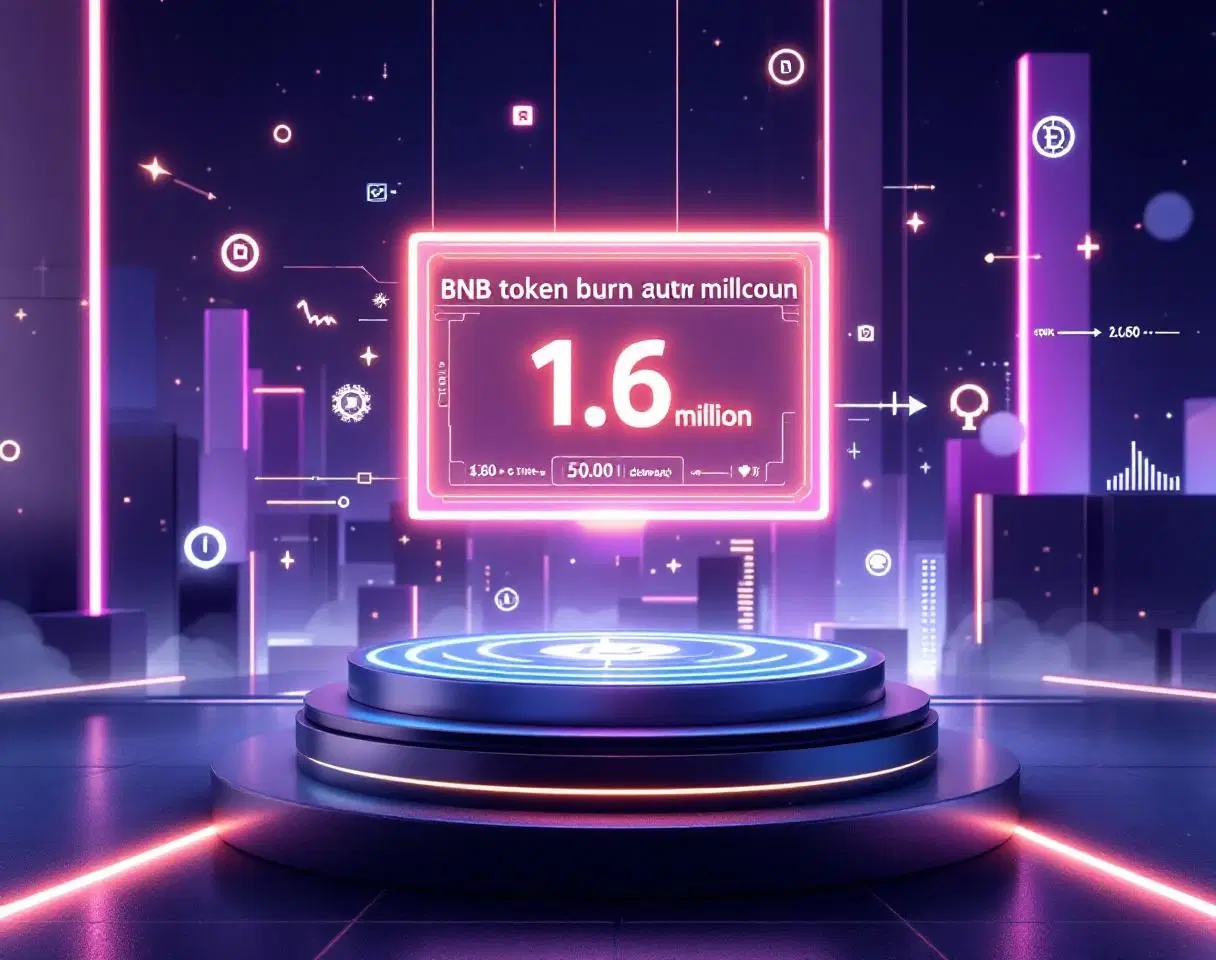
Is the latest BNB token burn a harbinger of change or merely a routine exercise? As the BNB Foundation wraps up its 32nd quarterly token burn, the crypto landscape buzzes with intrigue. The destruction of a staggering 1,595,599.78 BNB tokens brings the total supply down to 139,289,513.94, shedding light on the robust mechanics of the BNB Auto-Burn system. This sophisticated model seeks to fine-tune token supply in relation to demand, catalyzing discussions that delve deeper into the tokenomics of BNB and the implications of supply reduction within the capitalistic tide of digital currencies.
At the forefront of BNB’s supply management is the groundbreaking Auto-Burn system, a true trailblazer in blockchain token administration. Unlike static models of the past, this mechanism reacts fluidly to price shifts and the rhythm of blockchain activity. Introduced through BEP95, which embraces real-time burning based on transaction gas fees, this system has led to the incineration of approximately 265,000 BNB since its inception. Such a practice not only underscores a commitment to balance the token's availability with its utility but also serves as a powerful model for future endeavors in the crypto realm.
Behind the scenes, BSC validators are the unsung heroes, diligently facilitating the burn through real-time action on gas fees. This doesn’t just breathe life into a theoretical framework of tokenomics; it anchors it in the reality of on-chain interactions. Moreover, introducing the BNB Pioneer Burn Program adds a vital layer of user-centric design, showing a genuine intention to help users reclaim lost tokens. This step brings an element of trust and engagement to the table, embodying a broader, user-focused initiative amid the ongoing burn exercises.
The aftermath of the latest burn naturally invites speculation, sending ripples through predictions surrounding the BNB token supply and its impact on the market. Initial reactions might illustrate a fleeting uplift, but beneath the surface lies a more nuanced mix of selling pressures and speculative trading antics. To fully appreciate the ramifications of this BNB token burn, one must embark on a detailed exploratory journey, examining how these transformations reshape trading volumes and influence derivatives on the market.
The systematic torching of tokens raises profound queries about the role of burns as instruments of deflation within the digital landscape. BNB’s dual approach—leveraging automated mechanisms alongside real-time burning—forms a compelling template for cryptocurrency supply reduction. However, the effect of these strategies exists within an intricate web of market demands, participant engagement, and broader economic trends, all of which continuously mold the perceived value and utility of BNB.
As we gaze into the horizon, the intersection of deflationary tactics and regulatory environments, particularly in jurisdictions like the US, sets the stage for both obstacles and pathways for evolution among centralized and decentralized players. The shift towards self-custodial models reflects a growing demand for autonomy, compelling platforms to recalibrate their token strategies to stay relevant in this ever-evolving landscape.
The 32nd BNB token burn marks not just a milestone but ignites a critical discourse on the future of cryptocurrency economics. Each burn becomes a narrative teeming with implications, revealing the delicate interplay between market trends, technological advancements, and the collective psyche of the crypto community. With the landscape continually adapting, the tale of BNB cryptocurrency is poised to be one of resilience, speculation, and an inescapable push toward transformation.