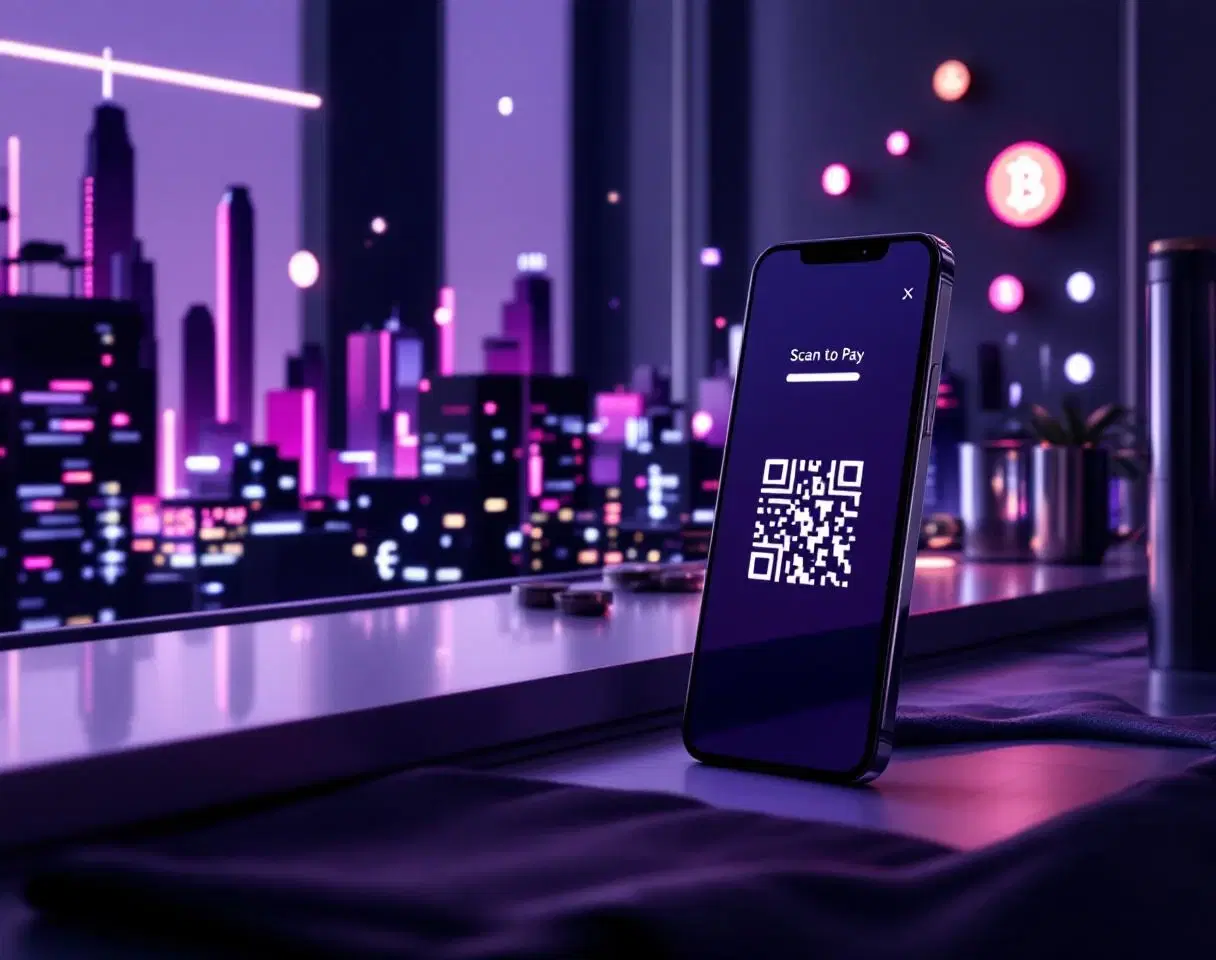
Bitget's new Scan to Pay feature revolutionizes USDT payments with QR codes, enhancing cryptocurrency spending in Latin America and Southeast Asia.
May 07, 2026 |
May 06, 2026 |
May 06, 2026 |
May 06, 2026 |
What if making payments in cryptocurrency was as seamless as handing over cash? In a world where traditional banking and digital currencies are rapidly merging, Bitget has released a revolutionary "Scan to Pay" feature that transforms this idea into reality. This groundbreaking tool allows users to complete USDT transactions in physical stores simply by scanning a QR code. For both seasoned crypto aficionados and curious newcomers, this feature elevates stablecoins from mere speculative assets to essential tools for day-to-day financial dealings, thereby simplifying everyday transactions to an almost effortless process.
Bitget's latest innovation is strategically aimed at Latin America and Southeast Asia—regions where QR code payment systems are already entrenched in consumer behavior. With over 2.2 billion users globally depending on these digital payments, the necessity of integrating cryptocurrency with established payments has never been clearer. In locales where banking access is scarce, QR payments have emerged as a vital component of commerce, allowing for an organic union between cryptocurrency and local economic activities.
This new feature enables merchants to accept digital currency payments swiftly, sidestepping the complexities of major infrastructural reforms. Existing payment systems can easily incorporate this function, effectively removing the intermediaries that usually define financial transactions. Such a transition not only makes cryptocurrency more attainable but also significantly amplifies its role in practical, everyday exchanges.
The thought of converting stablecoins into spendable currency with unprecedented speed is no longer a distant dream. Bitget's Scan to Pay feature empowers users to easily establish a payment PIN and finalize their purchases merely by scanning a merchant's QR code. By diluting the traditional banking model's grip on transactions, this innovation is set to redefine how digital assets engage with the broader financial ecosystem.
Gracy Chen, the CEO of Bitget, underscores the transformative potential of this model for consumers and retailers alike. The capability for real-time transactions not only provides a safeguard against the price swings characteristic of cryptocurrencies but also repositions stablecoins as practical financial instruments for everyday expenditure.
While Bitget’s Scan to Pay initiative broadens the usability of cryptocurrencies, it also sparks urgent conversations about security versus convenience. Centralized exchanges (CEX), while user-friendly, often come with inherent custody risks. As the landscape shifts, some crypto users may seek refuge in decentralized exchanges (DEX) that prioritize self-custody solutions.
This transition highlights the essential tension between user-friendliness and asset control—a particularly pivotal concern for those who highly value privacy and security. As cryptocurrency becomes woven into everyday transactions, the evolution of both centralized and decentralized systems appears inevitable and necessary.
One of the most striking elements of Bitget's vision is the promise of a frictionless purchasing experience. By empowering retailers to integrate cryptocurrency payments within their existing frameworks, Bitget is crafting an environment where the ownership of digital assets seamlessly intersects with routine spending. This integration catalyzes greater financial independence, especially in underserved regions where access to traditional banking remains a challenge.
Nonetheless, challenges persist, particularly regarding the volatility risks linked to immediate USDT spending and the dangers traditionally associated with centralized platforms. For users operating in economically volatile zones, navigating the complex balance between crypto trading and day-to-day transactions could prove to be a daunting task.
With the introduction of the Scan to Pay feature, retailers are now poised to embrace stable digital currencies without the upheaval of completely revamping their systems. This innovative approach not only enhances customer experience but also allows for operational flexibility, speeding up transactions with instant confirmations. As Bitget advances its UEX payment model, we can anticipate increased collaboration among finance, asset management, and retail, setting the stage for a thriving ecosystem where cryptocurrencies can flourish in the marketplace.
Bitget's unveiling of the Scan to Pay feature marks a pioneering step toward normalizing cryptocurrency for everyday purchases. This initiative vividly illustrates the urgent demand for adaptive financial solutions in emerging markets, promising a future where spending digital assets feels as straightforward as using cash. Despite ongoing concerns about centralized systems, the push towards practical cryptocurrency utilization holds substantial potential for reshaping consumer habits and fostering wider acceptance within conventional commercial realms.
As we embark on this transformative journey in the realm of digital currency, one truth stands out: integrating cryptocurrency into our everyday financial practices is not merely an option—it's swiftly becoming an essential part of modern life.